



.jpg)


.jpg)
Traditional Saudi Cuisine, Saudi Arabia
Introduction
At the crossroads of history, trade, and tradition, Saudi Arabian cuisine tells the story of a land rich in flavor and culture. Rooted in Bedouin hospitality and regional diversity, Saudi food reflects a lifestyle shaped by the desert, the sea, and centuries of cultural exchange. From fragrant rice dishes to freshly baked breads and savory pastries, every meal is a celebration of generosity, warmth, and the country’s deep culinary heritage. Sampling traditional Saudi dishes offers not just taste, but a true connection to the Kingdom’s soul.
The Experience – A Feast of Flavors and Hospitality
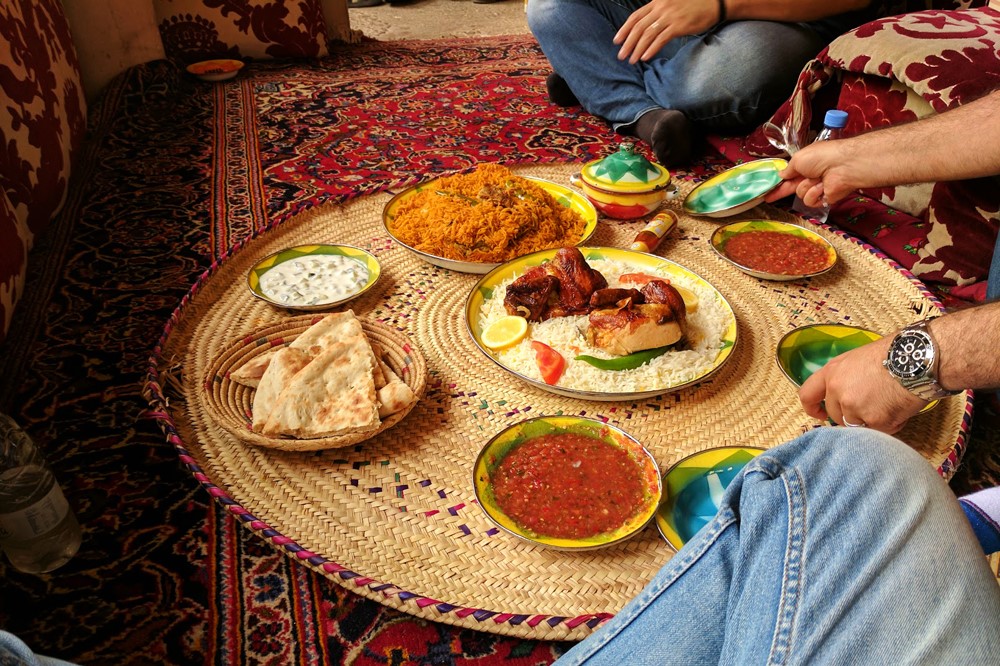
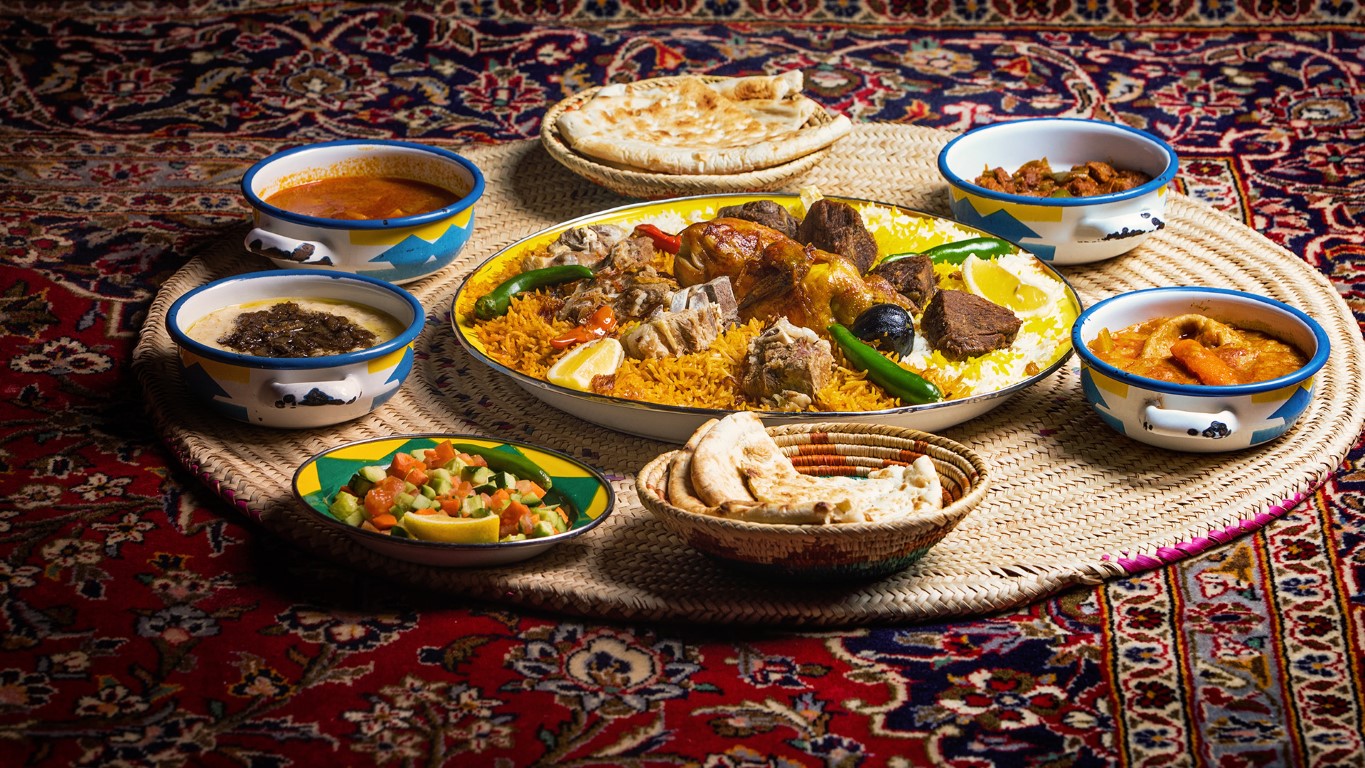
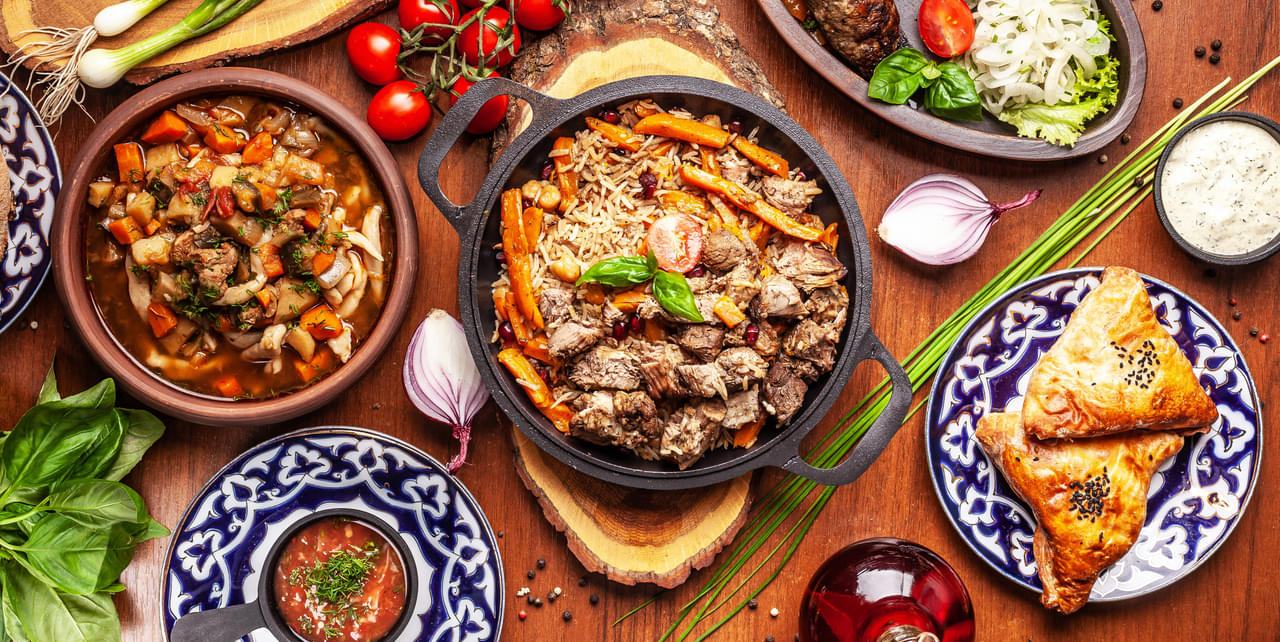
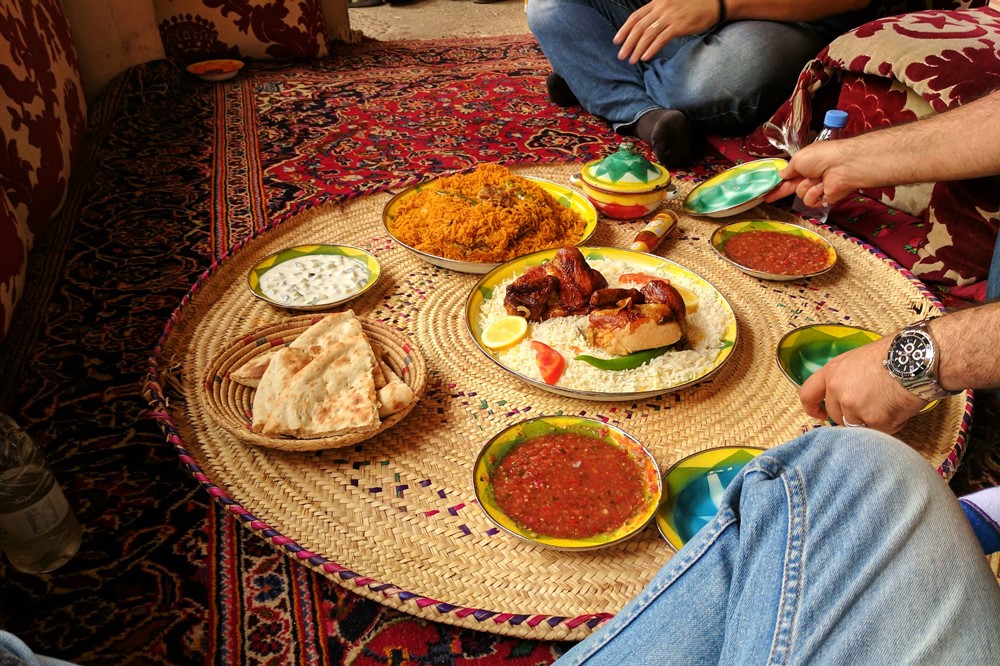
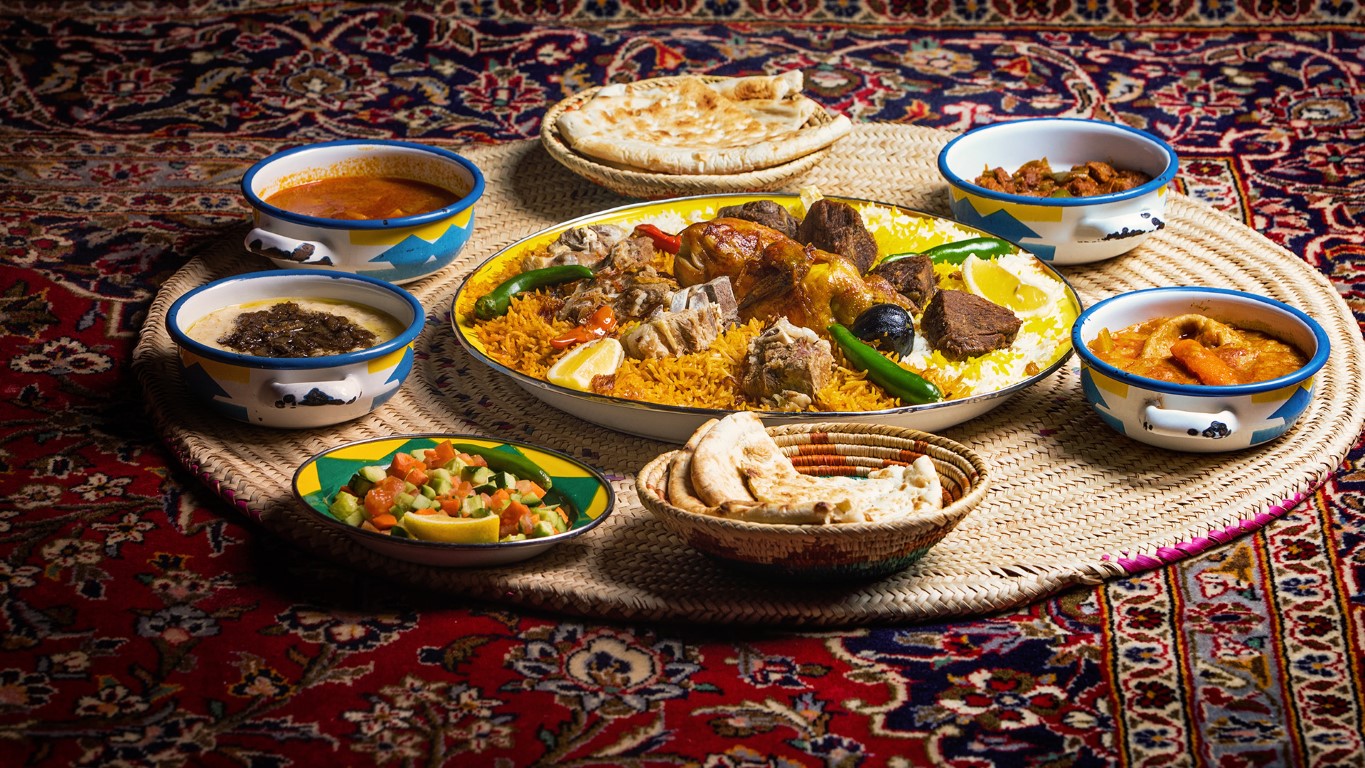
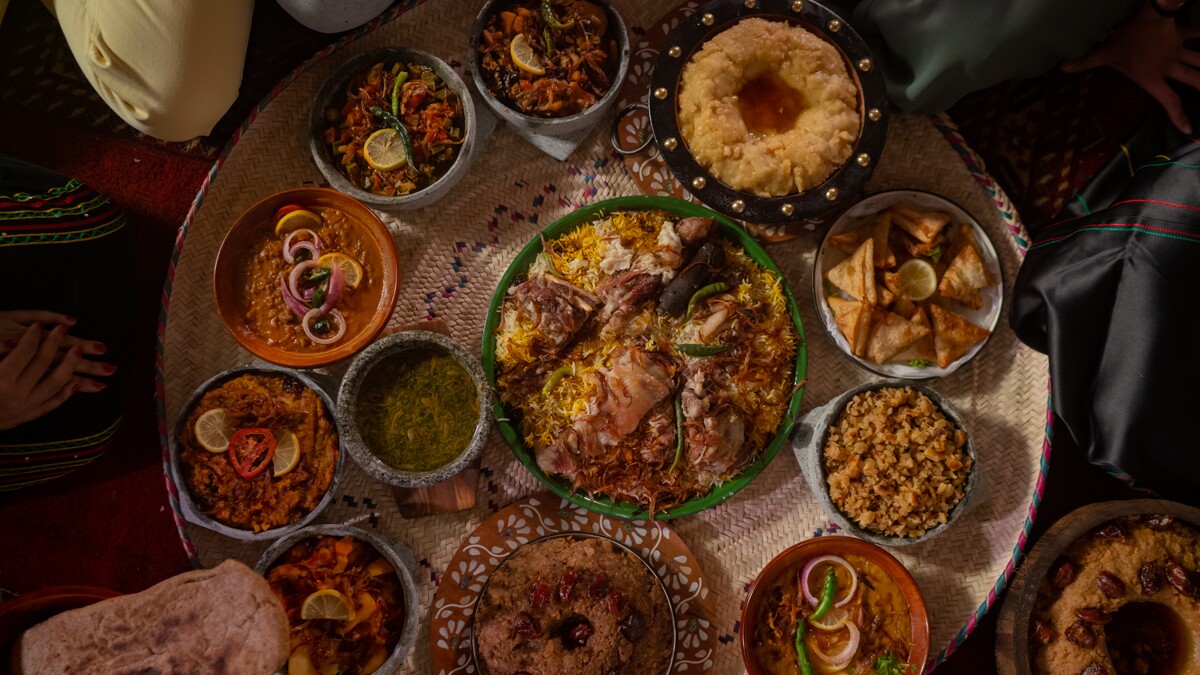
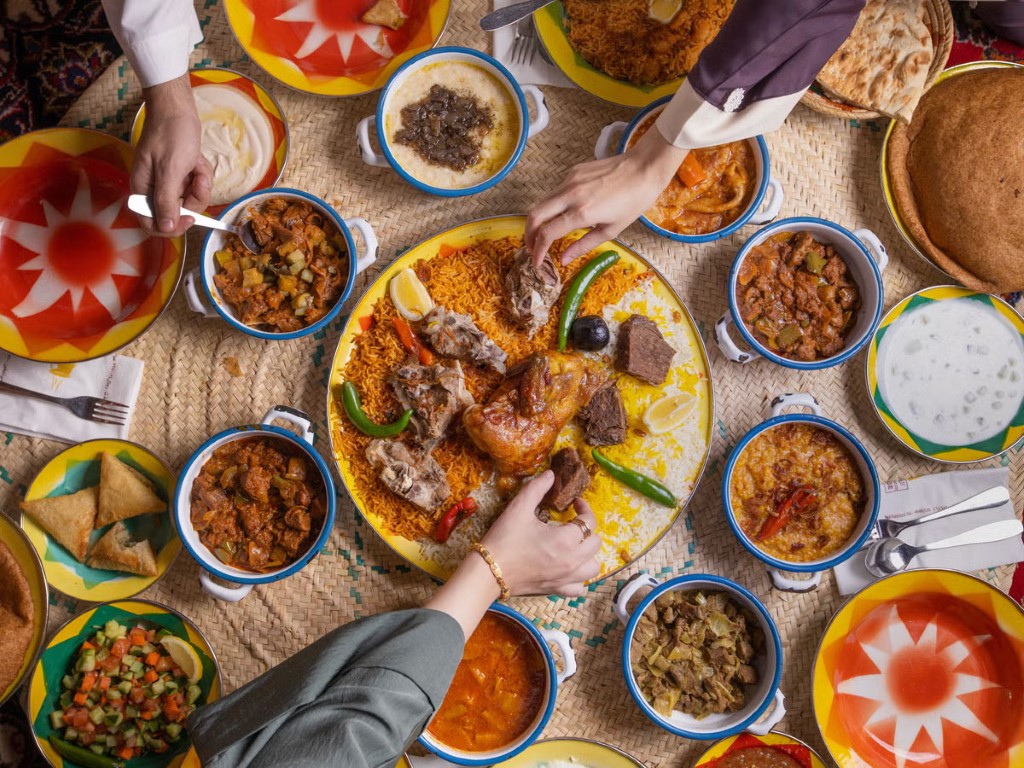
Dining in Saudi Arabia is as much about the experience as the food itself. Meals are often shared from large communal platters, symbolizing unity and friendship. Visitors can savor a wide variety of dishes, each representing different regions of the country — from the coastal influences of the west to the spice-rich recipes of the central Najd plateau.
Some iconic Saudi dishes include:
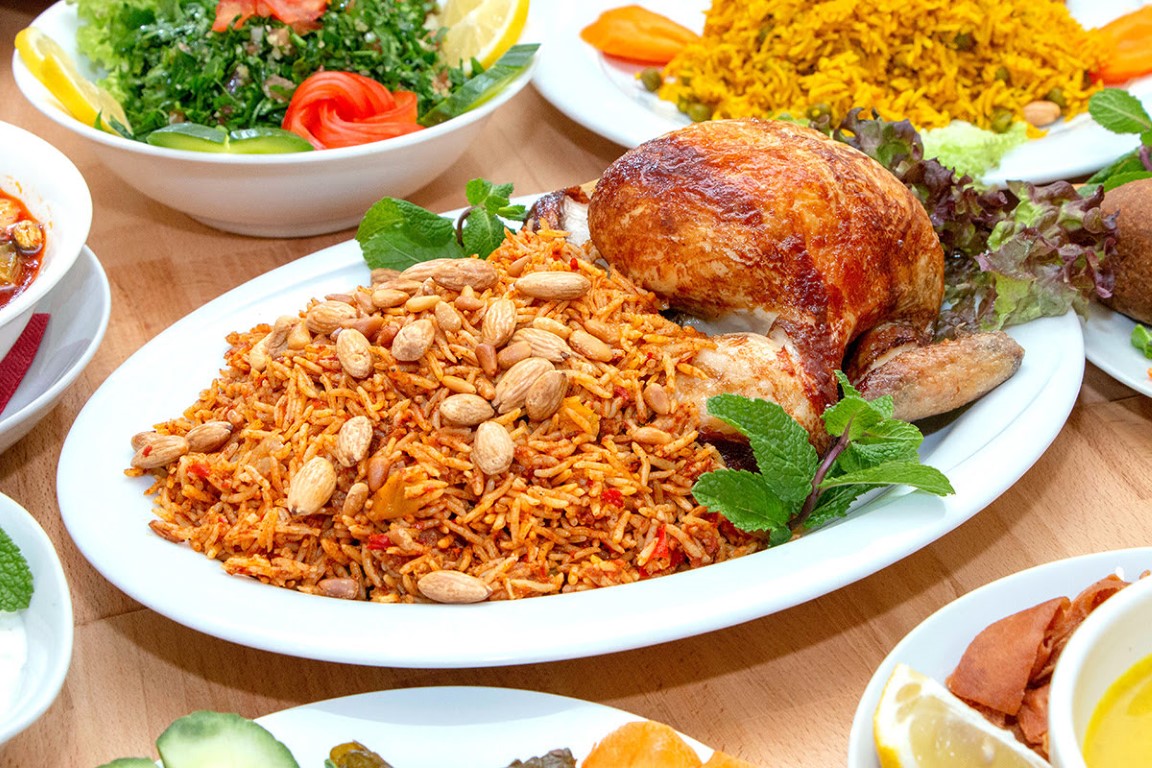
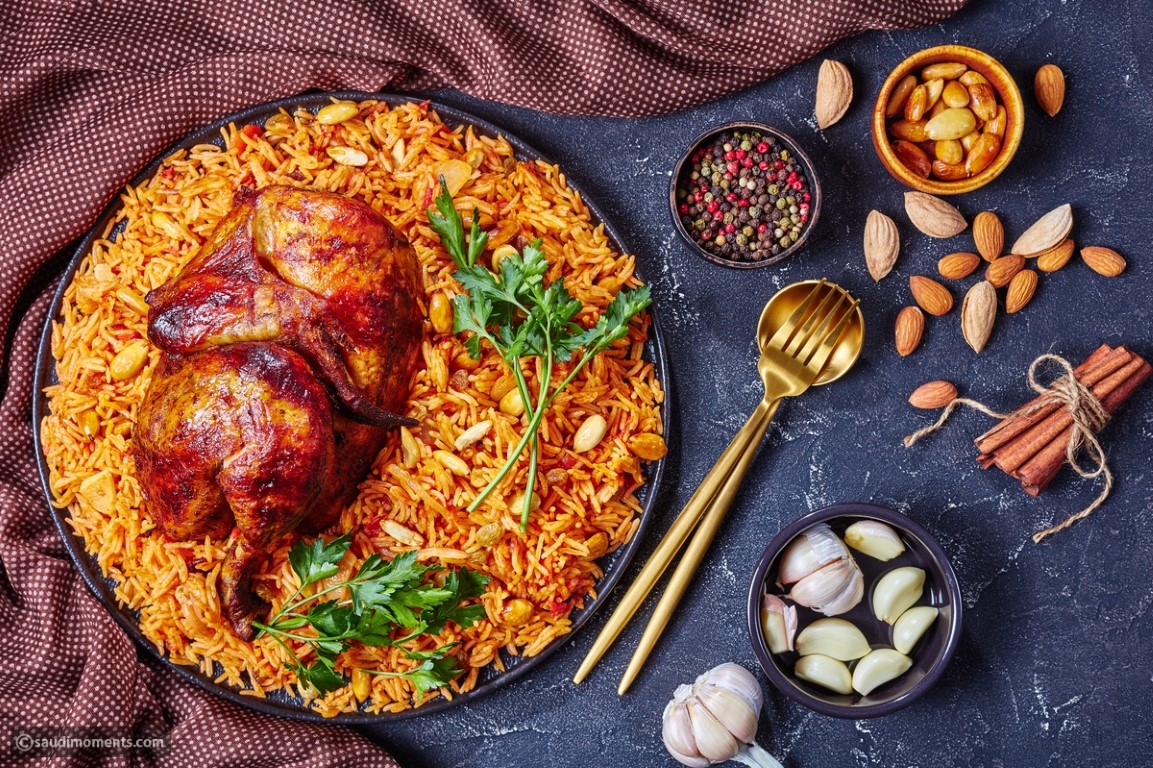
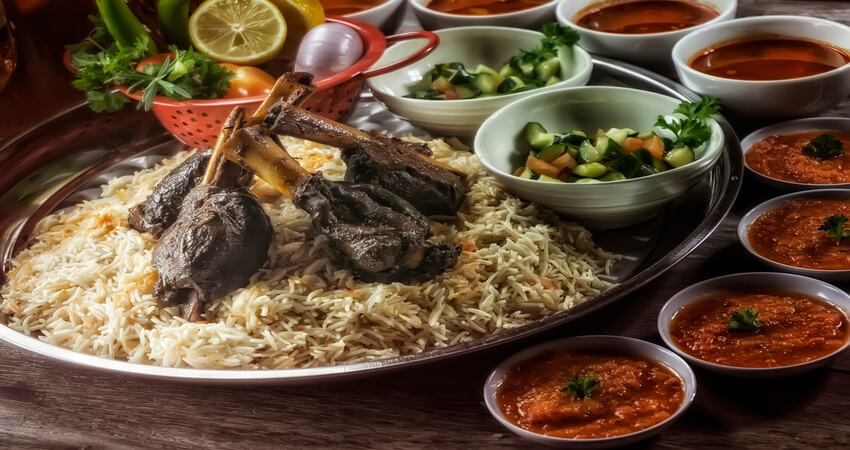
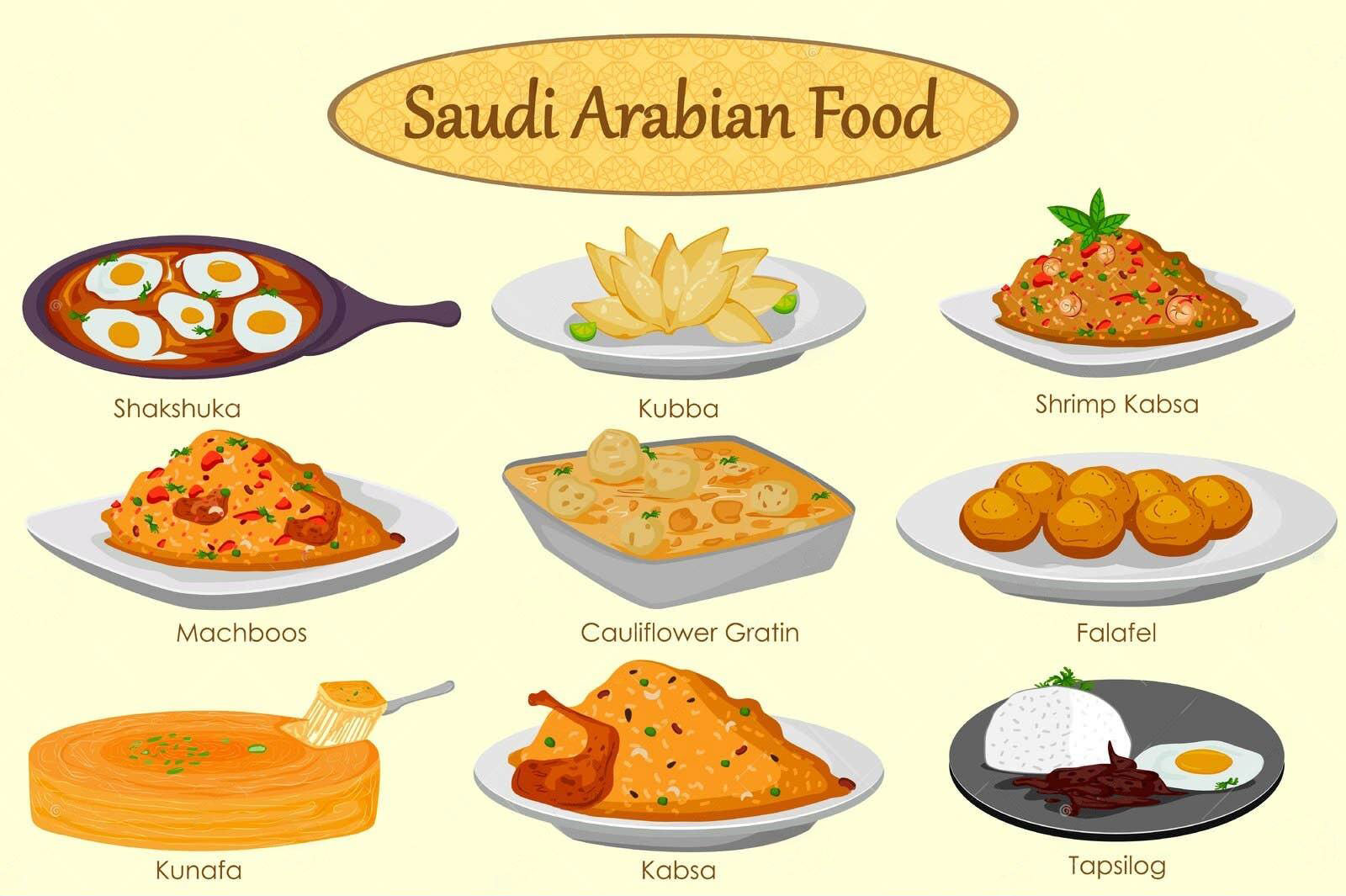
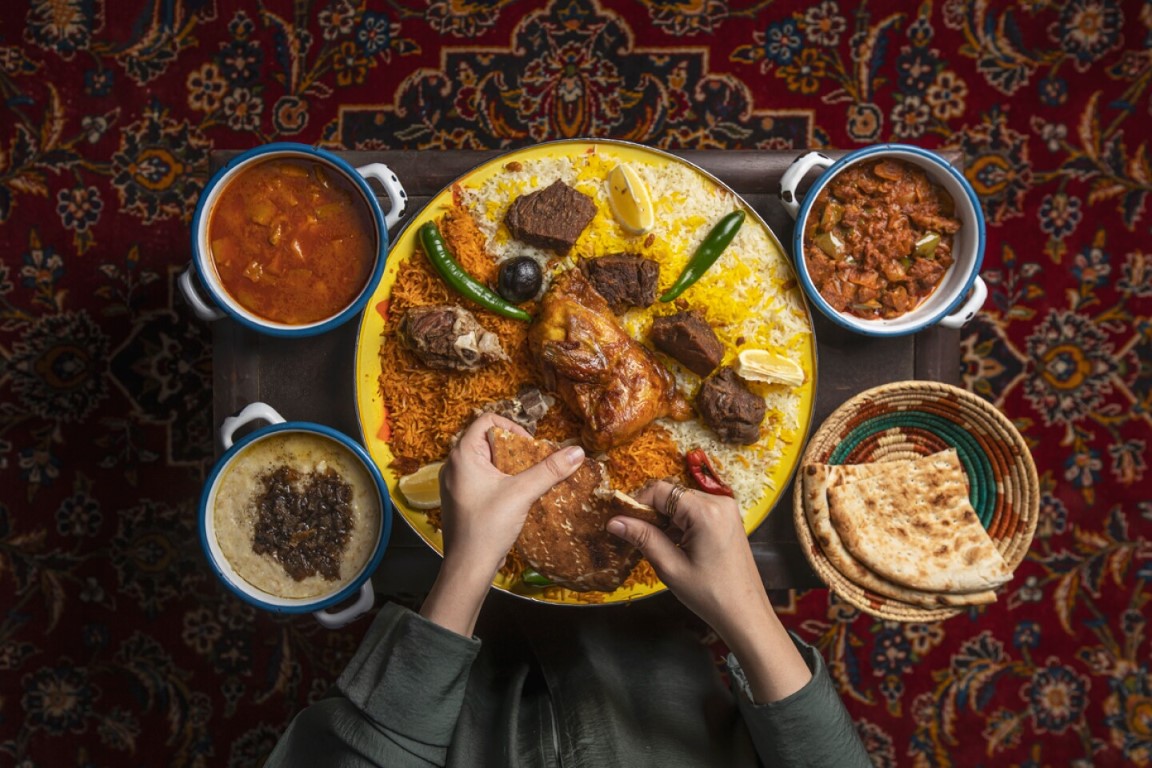
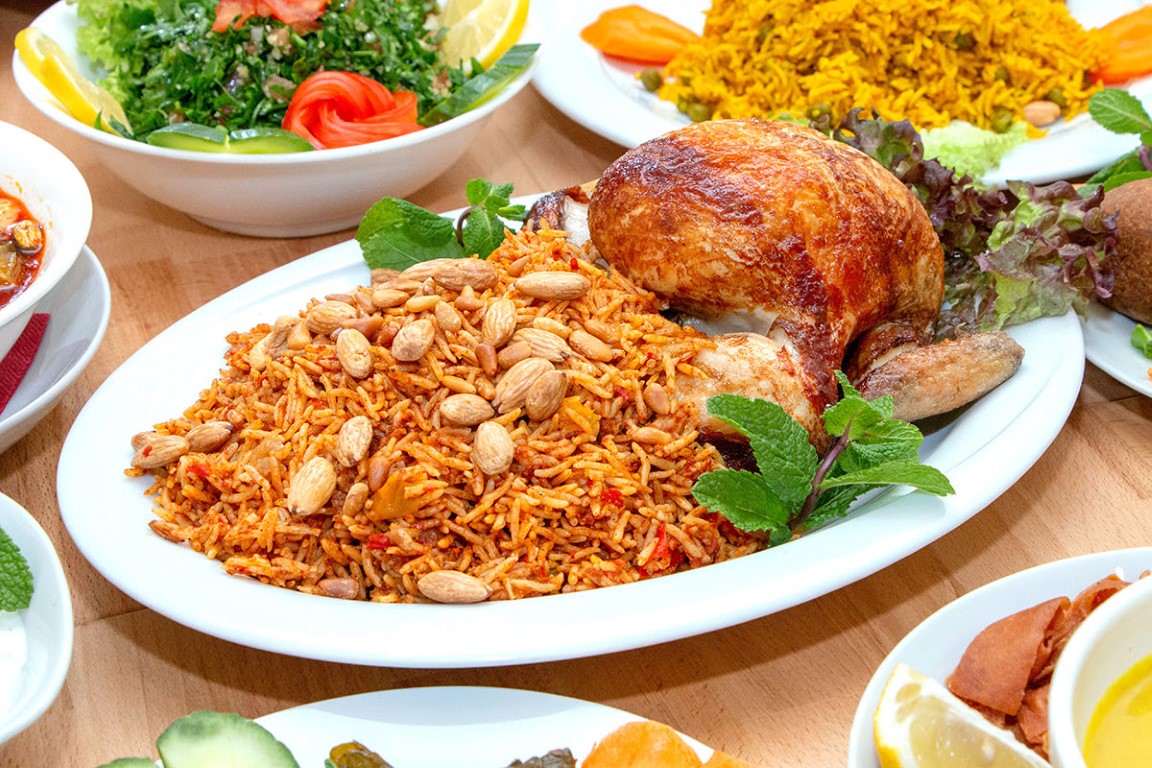
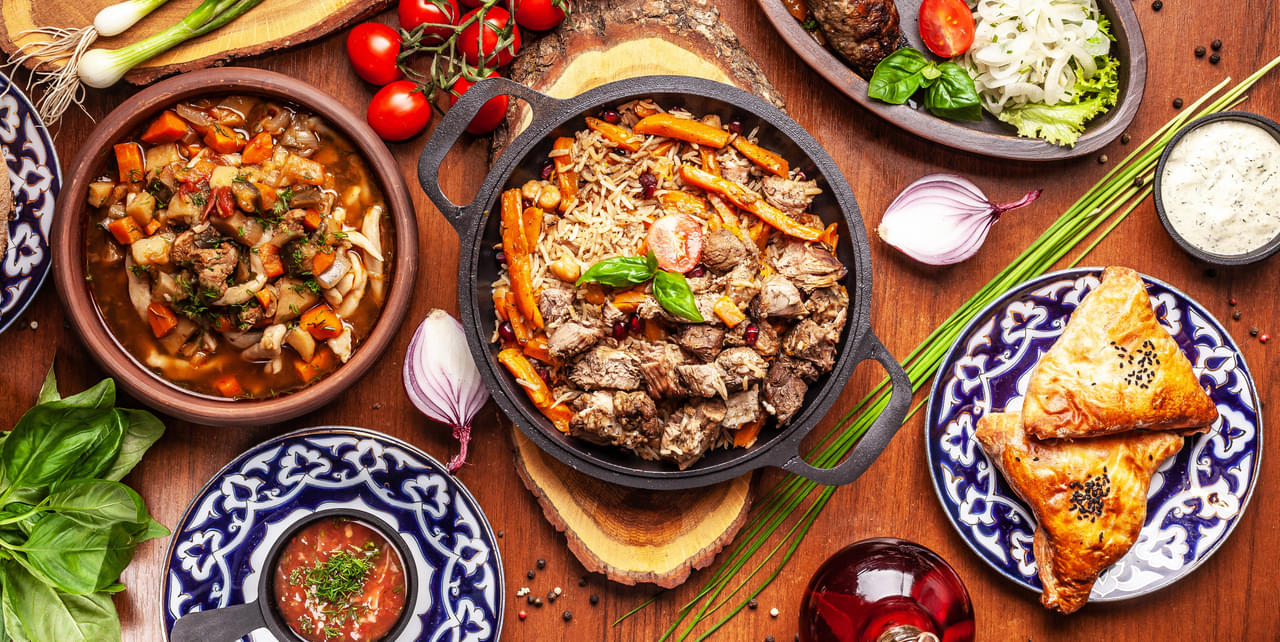
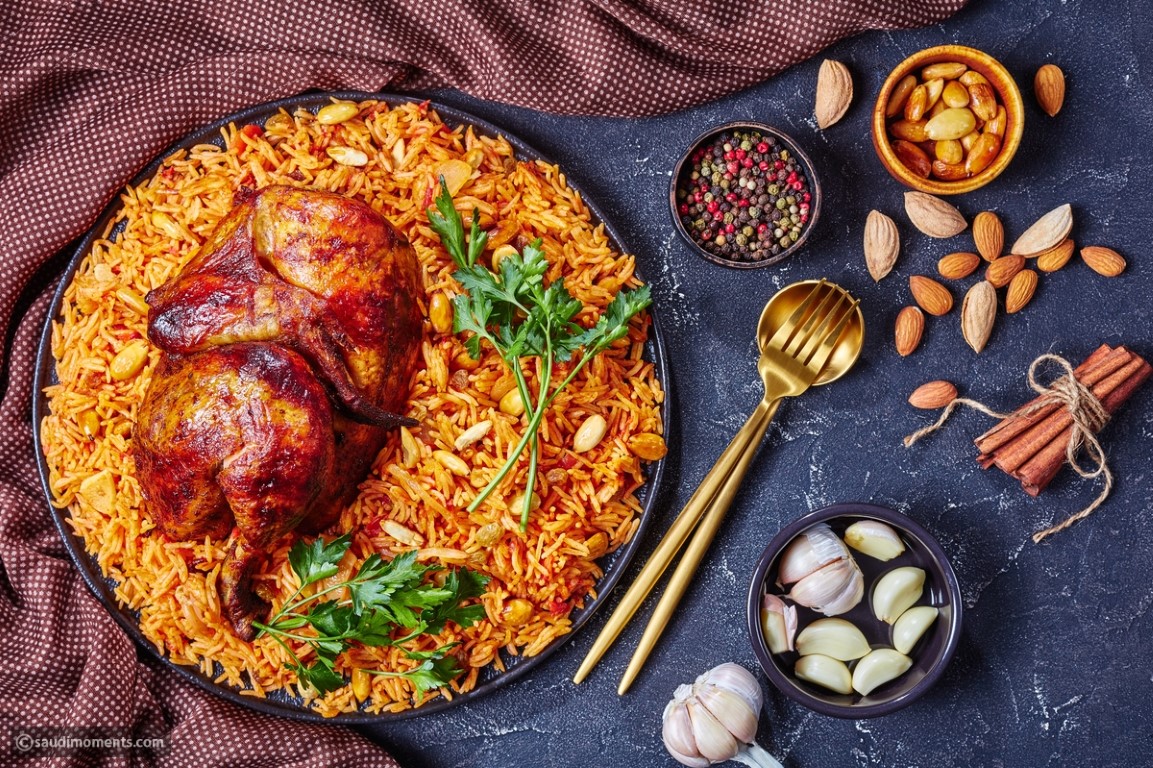
Kabsa – The national dish of Saudi Arabia, featuring spiced rice cooked with lamb, chicken, or seafood, often garnished with almonds and raisins.
Jareesh – A comforting dish made from crushed wheat, slow-cooked with meat or yogurt and seasoned with aromatic spices.
Mutabbaq – A stuffed, pan-fried pastry filled with minced meat, eggs, and herbs — a popular street food across the Kingdom.
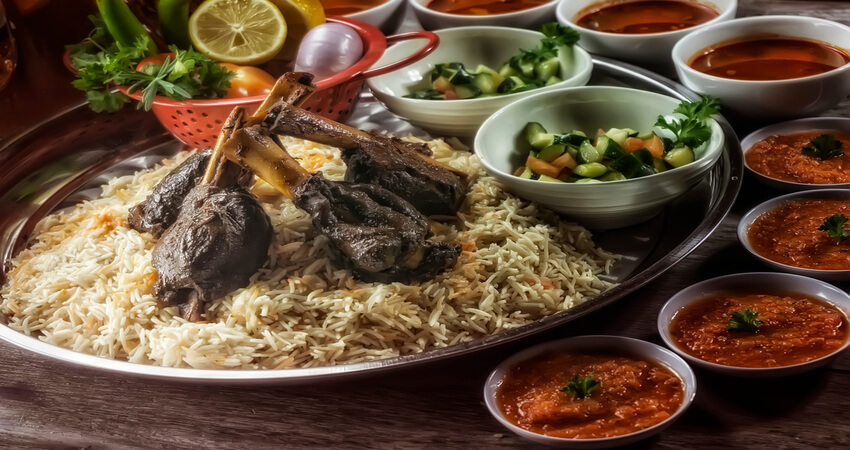
Mandi – Originating from the south, this dish features tender meat and spiced rice cooked in an underground oven for a smoky, rich flavor.
Saleeg – A creamy rice dish from the western region, cooked with milk and broth, often served with roasted chicken.
Enjoying these dishes is best done in traditional restaurants (mata’am sha’bi), where food is served in a warm, authentic setting — or during culinary tours, where visitors can cook alongside locals and discover the stories behind each recipe.
Cultural Significance – The Heart of Saudi Hospitality
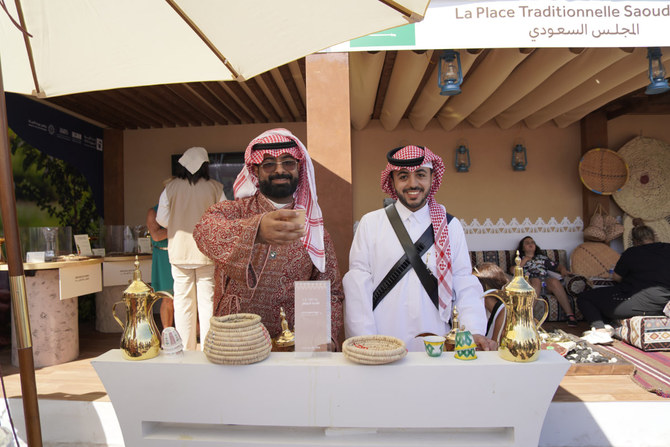
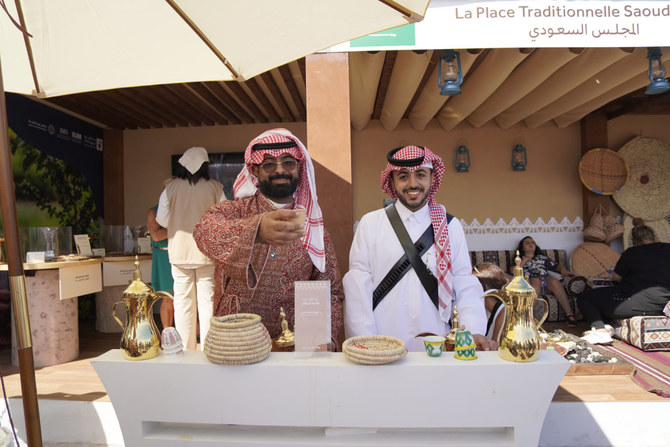
In Saudi culture, food embodies generosity and respect. Offering a guest Arabic coffee and dates is the first step in any meal, symbolizing welcome and goodwill. Meals are often enjoyed on floor cushions in a majlis, fostering a sense of closeness and community.
Regional diversity adds depth to the cuisine:
The Hejaz region (Jeddah, Mecca, Medina) blends Indian, Turkish, and Yemeni influences.
The Najd region (Riyadh) favors wheat-based dishes like jareesh and hearty stews.
The Eastern Province draws inspiration from the Gulf, with seafood and spice-rich recipes.
As Saudi Arabia opens up to culinary tourism, visitors can now enjoy cooking workshops, market visits, and food festivals, discovering firsthand the ingredients, spices, and traditions that have nourished the nation for generations.
🍽️ Suggested Experience Plan
Morning (9:00–11:00 AM)
Join a guided market tour to explore spice shops and traditional produce stalls. Learn about ingredients like cardamom, saffron, and dried limes used in Saudi cooking.
Midday (12:00–2:00 PM)
Participate in a hands-on cooking session with local chefs to prepare dishes such as kabsa or mutabbaq.
Evening (6:00–8:00 PM)
Enjoy a traditional dinner in a heritage restaurant or cultural majlis, accompanied by live oud music and Arabic coffee service.
💶 Pricing & Packages
| Experience Type | Duration | Price / Person (€) | Inclusions |
|---|---|---|---|
| Saudi Cuisine Workshop | 3 Hours | €50 | Cooking class, lunch, recipe booklet |
| Culinary & Market Tour | Half Day | €85 | Guided market visit, tastings, local lunch |
| Traditional Dinner Experience | 2 Hours | €65 | Multi-course meal, cultural performance |
🌿 Practical Tips
Best Season: Year-round; indoor dining and evening experiences are most enjoyable.
Location: Riyadh, Jeddah, and AlUla offer the best culinary tours and traditional restaurants.
What to Bring: Comfortable clothing, camera, and appetite for new flavors.
Local Insight: Eating with the right hand is customary; accept food and drink with gratitude.
Must-Try Dessert: Ma’amoul — date-filled cookies served with Arabic coffee.
Conclusion
Exploring traditional Saudi cuisine is a journey through the country’s history, hospitality, and heart. Every meal reflects the values of sharing, respect, and warmth that define Saudi culture. Whether savoring kabsa in a family-run restaurant, sampling street-side mutabbaq, or learning to roast spices in a cooking class, visitors experience not only the richness of Saudi flavors but also the spirit of its people — generous, welcoming, and proud of their culinary heritage.


.jpg)
.jpg)
.jpg)
.jpg)
.jpg)
.jpg)
.jpg)
.jpg)
.jpg)
.jpg)